

Prioritising community ‘need’ in the land criteria
All too often developers search for land based on their own criteria. This criteria is typically set by a company’s financial constraints, housing targets and their area of operation. At no point during this initial criteria setting process is there a consideration given to community need.
We believe this inward looking spreadsheet approach to development is a fundamental flaw in the foundations of the land and planning process.
“Understanding need is of critical importance to ensure that our communities and society grow in a sustainable way”
This typical developer approach has led to village communities being fearful of what may come next as they are not part of the conversation around setting site criteria and typically only get consulted on planning applications once they have been submitted.
“Village communities aren’t by and large anti-development; they just want to be consulted with at the very beginning of the process to ensure the needs of the village are fully considered and its character respected.”
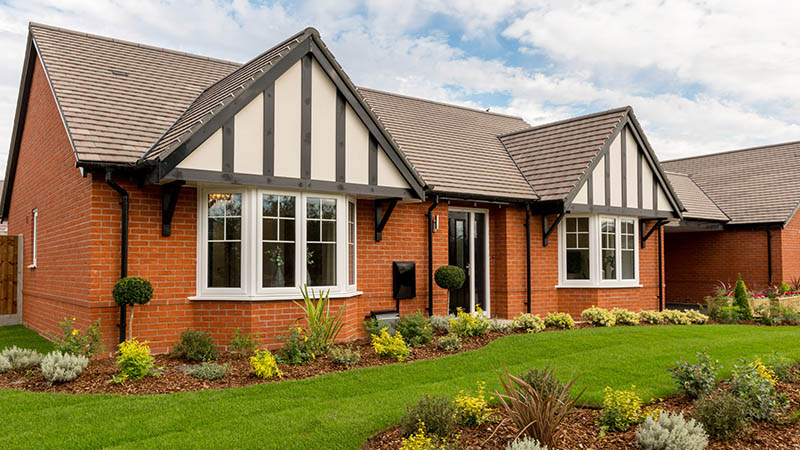
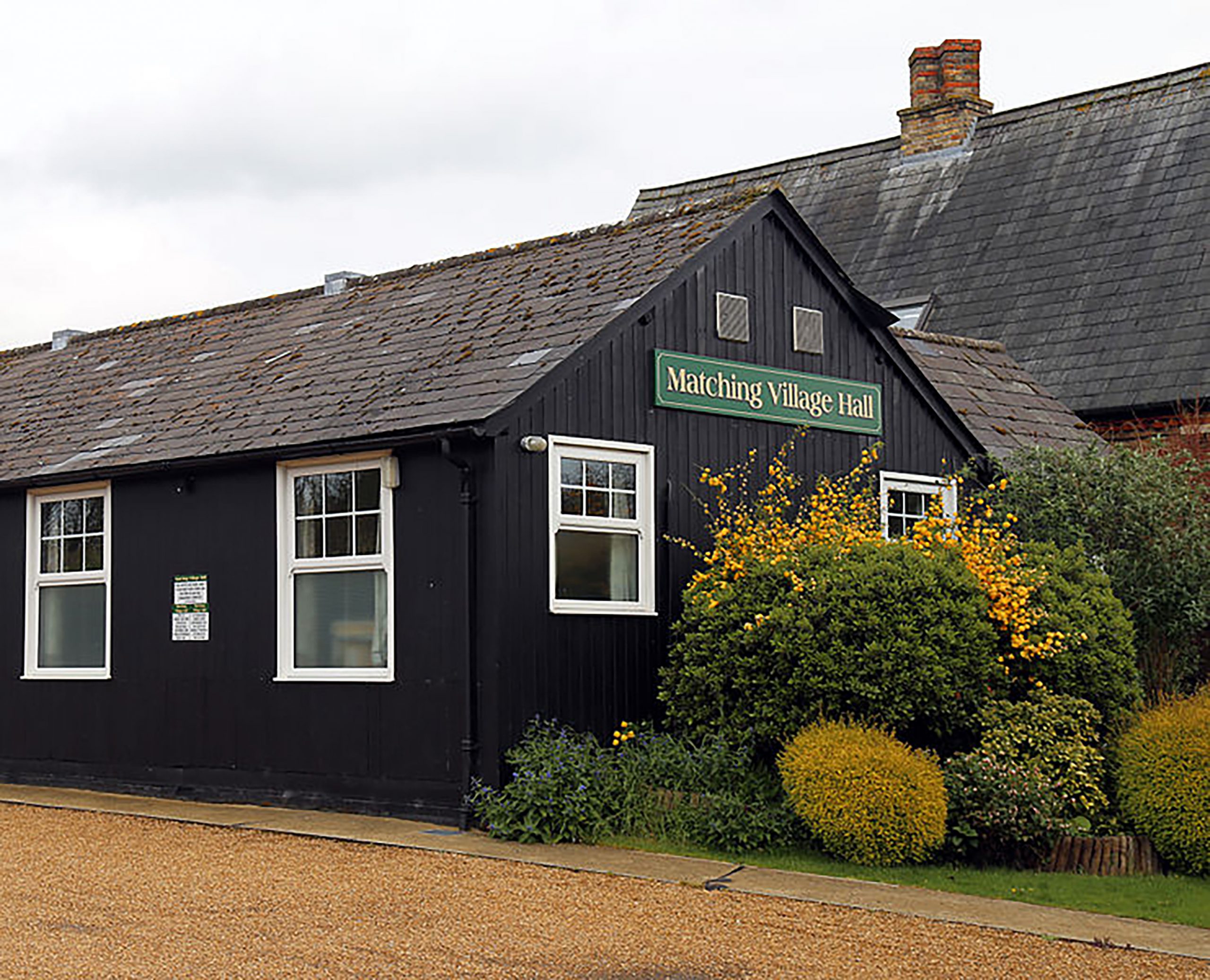
Local need can only be understood through early engagement with local communities and this identified need must in turn inform an integral part of a developer’s site criteria.
In the case of housing; need comes in many forms beyond the typical two storey private dwelling house, many alternative tenure types such as elderly care, key worker or parish priority housing are often overlooked simply because they do not conform to the developer’s conveyor-belt driven criteria.
“In some instances, a combination of various tenure types, design styles and/or a new community facility may be required, it entirely depends on the unique need of each village.”
Not delivering on a prioritised need basis could lead to the social and economic decline of our rural communities. It could also leave villages vulnerable to more unwelcome forms of development.
The difference
Typical developer
approach
Stage 1
Set annual land budget
Establish land criteria
Stage 2
Identify opportunity
Review planning policy
Secure position on site
Prepare application
Stage 3
Liaise with planning department
Submit application
Statutory consultation period
Decision
Landiplomacy
approach
Stage 1
Engage with local community
Statistical analysis
Establish land criteria
Stage 2
Identify/secure opportunity
Engage with local community
Engage with planning department
Stage 3
Prepare application
Engage with local community
Submit application
Statutory consultation period
Decision

The Landiplomacy ‘mission’
To work with both the local community and landowners within well-serviced villages to find suitable small-scale infill or enabling development sites which conform to a unique and bespoke set of criteria we have established
Among these criteria is the site’s ability to address identified, evidence-based housing need for the specific location, meaning the proposed dwellings could take the form of private housing, key worker accommodation, elderly accommodation or a combination of various tenure types; it entirely depends on what the evidence base we collate from the local community and detailed statistical analysis supports.

The Landiplomacy ‘why’
Providing housing and facilities that meet an identified need for a local community, particularly in the case of more rural communities is essential on a multitude of social and economic layers.
Working with people who share these values and applying our skills and knowledge for the greater good provides all of us at Landiplomacy with a great sense of purpose in our work. Of equal importance to us is delivering a successful outcome for our landowner clients; creating (often) life-changing financial returns for people significantly adds to our drive and purpose.